
Winter Home Care in Toronto: The “Don’t Let Your House Hate You” Checklist
(A practical, not-boring guide to keeping your home happy when Toronto winter decides to show off.)
Toronto winters are a vibe… and by “vibe” I mean: slush, freeze-thaw, wind, surprise ice, and that one week where you question if you live in an actual snow globe. The good news? A little winter maintenance goes a long way in preventing expensive headaches (and the kind of stress that makes you stand in your hallway staring at a drip like it’s a personal betrayal).
Here’s a clear, homeowner-friendly guide to what you should be doing during the winter months to protect your biggest investment.
1) Protect Your Pipes (Because Frozen Pipes Are Not a Personality Trait)
What to do:
Keep the heat consistent (even if you’re away). Aim for at least 16–18°C.
Open cabinet doors under sinks on exterior walls (kitchen, powder room) to let warm air circulate.
On extra-cold nights, let a faucet drip slightly (especially in older homes).
Know where your main water shutoff is before you need it.
Watch for:
Reduced water pressure
Frost on a pipe
No water coming out of a tap
If you suspect freezing, don’t crank a space heater blindly—call a plumber.
2) Keep Snow Away From the House (Snow = Water, and Water Always Finds a Way)
What to do:
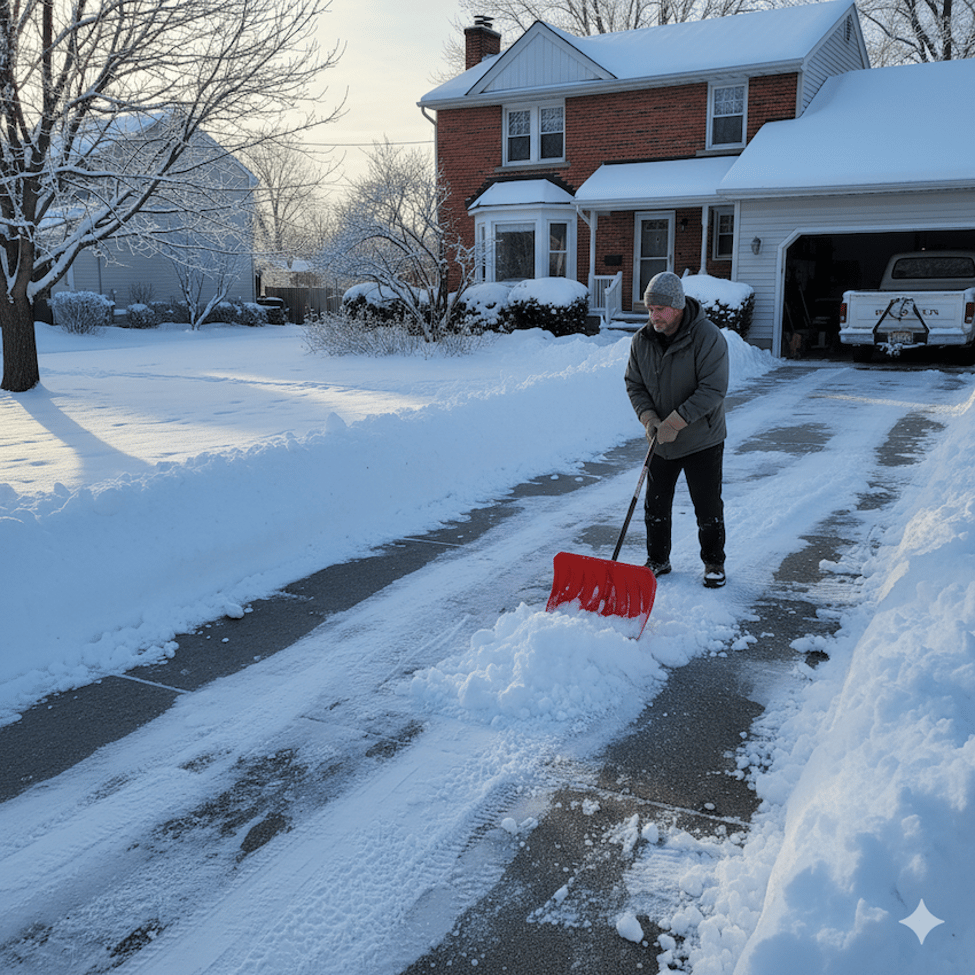
Shovel snow away from the foundation—not just the path.
Clear snow around window wells, basement entrances, and exterior vents.
After heavy snowfall, check that furnace + dryer vents are not buried.
Why it matters:
Snow melt + freeze-thaw can push water toward your foundation and cause basement leaks. Not fun. Not cheap.
3) Gutters + Downspouts: The Ice Dam Prevention Team
Ice dams happen when warm air in your attic melts roof snow, that water runs down, refreezes at the edge, and suddenly your roof is hosting a little winter science experiment—often leading to leaks.
What to do:
Make sure downspouts are directing water away from the house (at least 4–6 feet).
After a thaw, do a quick visual check: are gutters overflowing or dripping strangely?
If you see big icicles or thick ice build-up, treat it as a warning sign (not “cute winter decor”).
Quick tip:
If ice dams are recurring, the long-term fix is usually better attic insulation + ventilation, not just more salt on the roof.
4) Stop Drafts Before They Stop Your Bank Account
Heat loss is real, and Toronto gas bills don’t need encouragement.
What to do:
Add or replace weather stripping around doors.
Use door sweeps (especially at older front doors).
Check windows for drafts and use temporary window film if needed.
Close the fireplace damper when not in use.
Bonus:
Draft-proofing is one of the easiest ways to improve comfort and reduce monthly costs.
5) Furnace + Filters: The Winter MVP
Your furnace works hard all season. Help it help you.
What to do:
Replace your furnace filter every 1–3 months (more often if you have pets).
Make sure vents and returns aren’t blocked by rugs/furniture.
If you haven’t had a maintenance check in a while, winter is a good reminder.
Watch for:
Strange noises
Uneven heating
Short cycling (turning on/off frequently)
If your home is feeling chilly in random rooms, it’s often airflow, a dirty filter, or thermostat placement—not a haunted house.
6) Humidity: The Secret to Comfort (and Not Cracking All Your Wood)
Winter air is dry. Too dry can cause:
Static shocks that feel personal
Dry skin
Cracking hardwood floors
Sticking doors
What to do:
Aim for indoor humidity around 30–40% in winter (lower when it’s extremely cold).
Use a humidifier (furnace-mounted or portable).
Watch for condensation on windows—too much humidity can cause frost/mould issues.
7) Smoke/CO Detectors: Change Batteries, Save Drama
What to do:
Test smoke and CO detectors monthly (yes, really).
Change batteries if you haven’t in the last year.
If you have gas appliances, fireplaces, or an attached garage, CO detectors are non-negotiable.
8) Roof & Attic: Do a Quick “Winter Health Check”
You don’t need to climb onto your roof—please don’t. Just look.
What to do:
From the ground, scan for:
Sagging areas
Missing shingles
Heavy ice build-up at edges
In your attic (if accessible), check for:
Signs of moisture
Insulation that’s thin or uneven
If you see stains on ceilings or around vents, that’s your house politely asking for help.
9) Exterior Taps + Hoses: Don’t Let Them Freeze Into Regret
What to do:
Ensure exterior taps are shut off and drained (if you have an interior shutoff).
Remove hoses (always).
If you forgot and it’s already winter: don’t panic, just avoid using outdoor taps and keep an eye out for leaks when temperatures warm.
10) Winter Safety: Prevent Slips, Floods, and “Why Is This Happening” Moments
What to do:
Use ice melt that’s safe for your surfaces (and pets, if you have them).
Keep steps well-lit and clear.
Have a small winter “emergency kit”:
Flashlight + batteries
Basic tools
Salt/ice melt
Spare furnace filter
A Simple Winter Maintenance Schedule (Because Life Is Busy)
Weekly
Check vents (furnace, dryer) aren’t blocked by snow
Clear snow away from foundation + window wells
Watch for drafts or cold spots
Monthly
Test smoke/CO detectors
Check humidity + window condensation
Replace/inspect furnace filter (depending on type)
After Big Snowfalls or Thaws
Look for ice build-up on roof edges
Check gutters/downspouts are draining properly
Walk the basement perimeter and look for damp spots
Final Thought: Small Winter Habits = Big Protection
Winter home care isn’t glamorous, but it’s one of the best ways to avoid surprise repairs and protect your home’s value. A little prevention now saves a lot of “why is my ceiling bubbling?” later.
If you ever want a second opinion—whether it’s “Is this crack normal?” or “Should I fix this before selling?”—send me a message. I’m always happy to help you keep your Toronto home running smoothly (and your stress level low).